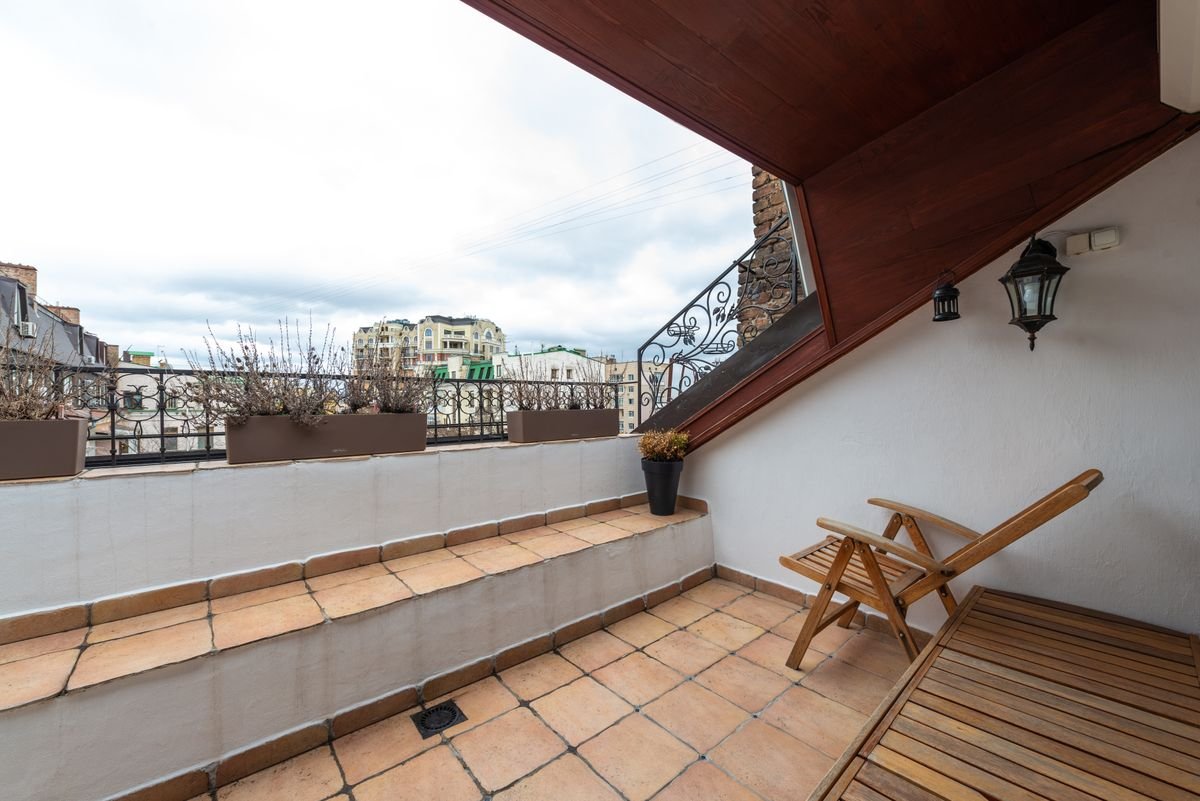
Outdoor space in Dubai is underutilised. Most apartment balconies sit bare or cluttered with storage. Terraces on villas and rooftop penthouses go half-designed. Given that Dubai's climate is genuinely pleasant from October through April, and that balconies and terraces add real liveability to urban apartments, the gap between what most people do with these spaces and what is possible — even on a modest budget — is striking.
This guide draws on V Square's work across apartment interior design projects, villa fit-outs, and penthouse renovations in Dubai, Abu Dhabi and Sharjah, where outdoor spaces are increasingly specified alongside the interior programme rather than as an afterthought. We cover what balcony and terrace design actually costs, which materials hold up in the UAE climate, what approvals you need, and how to sequence the work correctly within a broader fit-out project management programme.
Balcony & Terrace Design Cost Dubai 2026
| Scope | AED/sqft | Typical Total (100sqft balcony) |
|---|---|---|
| Basic refresh — new outdoor porcelain tiles, planters, budget furniture set | AED 300–600 | AED 30,000–60,000 |
| Mid-range — pergola or tensile shade, quality tile or composite deck, furnished and planted | AED 600–1,000 | AED 60,000–100,000 |
| Premium — motorised louvred roof, premium stone or timber, built-in kitchen, full planting | AED 1,000–1,800 | AED 100,000–180,000 |
| Luxury roof terrace (300sqft+) — full outdoor room, DM approval, pergola, irrigation system | AED 800–1,500 | AED 240,000–450,000+ |
These are installed rates inclusive of materials, labour, and contractor margin. Design fees (if engaging V Square for the full programme) are separate and typically run AED 150–350/sqft for an outdoor terrace scheme. Community approval costs vary by developer and are in addition to the above.
Flooring: Tiles, Decking and Stone
The surface you walk on sets the tone for everything else, and in Dubai it has to perform under real stress: 45°C summer temperatures, UV radiation intense enough to fade and crack most plastics in 18 months, and the occasional heavy rainstorm that dumps 80mm of water in a day. Material choice is not primarily aesthetic — it is primarily practical.
Porcelain outdoor tile (recommended)
Rectified 60×60cm or 80×80cm porcelain tiles with an R11 slip rating are the standard and most practical choice for Dubai balconies. They are dimensionally stable in heat cycling, resistant to salt air, easy to clean, and available in finishes that convincingly replicate natural stone, concrete or timber planks. Budget AED 85–200/sqft installed depending on tile grade and laying pattern. Matching the exterior tile to the interior flooring palette is worth considering for open-plan apartments where the balcony is visible through full-height glazing.
Composite timber decking
Composite decking (wood-polymer or all-PVC boards) delivers the warmth of timber without the maintenance burden. Expect AED 120–220/sqft installed. Full natural hardwood decking (teak, ipe) looks exceptional and costs AED 200–350/sqft installed, but requires oiling every 12 months in the UAE climate to prevent silvering and cracking. In a coastal location, the salt-air cycling through dried and rewetted timber shortens the maintenance cycle further. We typically specify composite for balconies and reserve natural timber for covered rooftop pergola areas where direct sun exposure is reduced.
Natural stone
Limestone, travertine and sandstone have a natural connection to the Gulf aesthetic and perform well structurally. The weakness is porosity — stone needs sealing on installation and re-sealing annually on exposed terraces. At AED 150–350/sqft installed, natural stone is mid-to-premium budget territory and makes most sense for villa pool decks and rooftop terraces where the material is part of a broader luxury scheme.
Shade Structures: Pergolas, Louvres and Sails
Without shade, a Dubai balcony is unusable from May through September. Shade is not optional — it is the single most impactful upgrade available for outdoor space in the UAE, and the first thing to specify before furniture or planting.
Motorised aluminium louvred roofs
The premium choice for terraces over 60sqft. Motorised louvred pergolas — powder-coated aluminium frames with blade louvres that open for ventilation and close fully for rain protection — cost AED 450–900/sqft of covered area installed (Weinor, Corradi and local UAE fabricators are the main suppliers). They work in wind speeds up to 80km/h, last 20+ years, and add perceived value to the property. They require DM approval as a fixed structure but are approvable in most Dubai master communities with the correct submission package.
Tensile sail shade
Tensile sail shade on powder-coated steel columns is the most cost-effective fixed shade option at AED 150–350/sqft of covered area. HDPE fabric (280gsm, 90% UV block) is the standard specification. Lead time is typically 2–3 weeks from measurement. Sail shade requires anchor points in the slab or perimeter wall — confirm load capacity with a structural engineer before instructing, particularly on high-floor apartment balconies.
Retractable awnings
Motorised retractable cassette awnings suit balconies where a permanent structure is not approved or desired. They cost AED 300–600 per linear metre installed. Markilux and Stobag are the reliable brands available in the UAE. Cassette awnings protect the fabric when retracted, which extends service life significantly compared to open-roll awnings in Dubai's dusty environment.
Outdoor Furniture for Dubai
Standard indoor furniture degrades quickly on exposed UAE terraces: foam compresses with temperature cycling, fabric fades under UV, uncoated metal oxidises in coastal air, and timber dries and cracks. Furniture for a Dubai outdoor space needs to be specified as outdoor furniture from the start.
Teak with stainless fixings, powder-coated aluminium with Sunbrella or equivalent solution-dyed acrylic fabric, and all-weather rattan (resin wicker over aluminium frames) are the three material combinations that work reliably outdoors in the UAE. Budget AED 15,000–60,000 for a furnished 100sqft balcony lounge set (sofa, chairs, coffee table, side tables). German brands such as Gloster and Kettal are the premium reference point; regional brands including Source Contract and Penta are more accessible at a similar quality level.
For dining terraces, a 6-seater outdoor dining set costs AED 8,000–25,000 from quality suppliers. Avoid flat-pack or low-cost outdoor sets imported without a UAE climate rating — the material failure rate in the first UAE summer is high enough to make them false economy.
Landscaping and Planting
Plants transform a balcony from a tiled platform into a genuinely restorative space. The practical constraints in Dubai are weight (high-rise slabs have load limits), root space depth, watering consistency, and plant species selection for heat tolerance. None of these are insurmountable.
Lightweight GRP (fibreglass reinforced plastic) planter boxes weigh 60–80% less than ceramic or concrete equivalents, making them the standard specification for apartment balconies. A 1m×0.5m×0.5m GRP planter filled with a lightweight perlite-amended growing medium adds around 35–50kg to the slab — versus 120–180kg for a solid concrete equivalent. Species that perform consistently on Dubai balconies include bougainvillea (colour, fast-growing, sun-tolerant), jasmine (fragrant, shade-tolerant on a north-facing wall), ornamental grasses such as Stipa tenuissima, succulent ground covers, and compact palms including Chamaedorea elegans for sheltered spots.
Drip irrigation on a Wi-Fi-enabled timer is worth including from the start. The cost is AED 3,000–8,000 for a typical balcony installation and eliminates the primary failure mode of planted balconies — owner inconsistency with watering through summer travel months.
Outdoor Lighting
A well-lit terrace extends usability into the evenings, which in the UAE cool season (October to April) are genuinely the most pleasant time outdoors. The key layers are: ambient (string or festoon lighting for overall warmth), task (reading lights on lounge chairs or dining table), and accent (path lights into planter bases, directional spotlights into specimen plants). All fittings on a Dubai outdoor terrace must be rated IP65 or higher. LED strip lighting in aluminium channels below pergola beams is the most popular method for adding ambient light without visible fittings.
Expect AED 8,000–20,000 for a complete outdoor lighting scheme on a 100–150sqft terrace, including conduit, earthing, switch panel and fittings. This is best scoped and cabled before decking or tile is laid, not retrofitted after.
DM Approvals and Community Rules
This is the step most people skip, then regret. Any fixed structure on a Dubai balcony or terrace — pergola, glass balustrade upgrade, louvred roof, structural planter box wall, or external cladding change — requires Dubai Municipality (DM) Non-Objection Certificate (NOC) in addition to the master developer's fit-out NOC. The developer NOC comes first; DM NOC follows.
The approval process typically takes 4–8 weeks if submitted correctly. A complete submission package requires architectural drawings stamped by a DM-registered engineer, structural calculations for any fixed load-bearing elements, and the developer's own fit-out guidelines compliance checklist. V Square manages this process as part of our project management scope — delays caused by incomplete submissions are the most common cause of balcony project overruns.
Note: free-standing or removable items (furniture, portable parasols, tensile sail shade on existing anchors) generally do not require formal approval. When in doubt, check with your building facilities management before ordering.
How We Sequence Balcony Fit-Out at V Square
On projects where we are managing the interior and outdoor fit-out simultaneously, the sequence matters. We always submit the balcony DM/community NOC package during the interior design phase, so approvals land before contractors mobilise. Structural slab penetrations for pergola posts, drainage adjustments, and irrigation conduit routes are coordinated with the main fit-out programme before any hard finishes go down.
For standalone balcony projects (no concurrent interior fit-out), we recommend scheduling: approval submission → material order → demolition of existing finish (if applicable) → drainage/waterproofing check → tile or decking install → pergola or shade structure install → electrical → furniture and soft furnishings → planting and irrigation. Each step in this sequence has dependencies that, if rushed or reversed, add cost and rework. The same sequencing logic that applies to office fit-outs applies here at smaller scale.
Frequently Asked Questions
How much does balcony or terrace design cost in Dubai in 2026?
Balcony and terrace design in Dubai costs AED 300–600/sqft for a basic fit-out (porcelain tiles, planter boxes, basic furniture), AED 600–1,000/sqft for a mid-range scheme with a pergola or louvred roof, quality outdoor furniture and landscape planting, and AED 1,000–1,800/sqft for a premium outdoor living space with a motorised louvred roof, built-in kitchen or barbecue, water feature and premium stone or timber decking. A 100sqft apartment balcony typically costs AED 30,000–80,000 all in.
What flooring is best for a Dubai balcony or terrace?
Porcelain outdoor tiles (rectified, R11 slip rating) are the most practical choice for Dubai balconies and terraces in 2026 — they handle 45°C summer heat, UV exposure and heavy rain without fading or cracking. Composite timber decking is a strong second choice for a warmer aesthetic. Natural wood decks require annual oiling in the UAE climate and are less durable on exposed south-facing terraces. Natural stone (limestone, travertine) works well but needs sealing every 12–18 months in a coastal or humid environment.
Do I need DM approval for a balcony pergola or enclosure in Dubai?
Yes. Any fixed structure on a balcony or terrace in Dubai — including pergolas, glass enclosures, louvred roofs, awnings on structural brackets and built-in planters above certain heights — requires Dubai Municipality (DM) approval, typically preceded by the master community developer’s fit-out NOC. Free-standing or removable shade structures generally do not require approval. Always check your community’s fit-out guidelines before instructing contractors.
What shade solutions work best for Dubai terraces?
Motorised aluminium louvred roofs are the most popular premium shade solution for Dubai terraces — they open for ventilation at night, close for rain shade, and last 20+ years. Mid-range options include tensile shade sails (AED 150–350/sqft installed) and powder-coated steel pergolas with polycarbonate or fabric roofing. All fixed structures require DM approval. Retractable cassette awnings (AED 300–600 per linear metre) are the best option where a permanent structure is not approved or desired.
Can I add plants and landscaping to my Dubai apartment balcony?
Yes. Lightweight GRP (fibreglass) planter boxes are standard for Dubai high-rise balconies, weighing 60–80% less than concrete equivalents. Drought-tolerant species such as bougainvillea, jasmine, succulents, ornamental grasses and compact palms all perform well. Drip irrigation on a timer (AED 3,000–8,000 installed) ensures plants survive summer travel months. Budget AED 5,000–25,000 for a fully planted balcony scheme depending on planter count and species selection.
How long does balcony or terrace fit-out take in Dubai?
A straightforward balcony retile and furniture refresh takes 5–10 working days. A full terrace fit-out with a pergola, new stone or composite decking, planting and lighting takes 3–6 weeks from design sign-off, allowing time for DM/community approval (4–8 weeks if needed, so submit early), material lead times and installation sequencing. Planning the scope and obtaining community approvals before ordering materials avoids the most common delays.
Ready to Design Your Balcony or Terrace?
V Square manages balcony and terrace fit-outs from concept through DM approval to completion across Dubai, Abu Dhabi and Sharjah. Get a detailed scope and cost estimate.
WhatsApp Us Get a Quote